Matic Adds Voice and Gesture Controls, but ‘Cues’ Comes with a Cloud Privacy Trade-Off
Matic Cues adds voice and gesture controls through a free software update, but its use of Google Gemini for voice processing introduces a new cloud privacy trade-off.

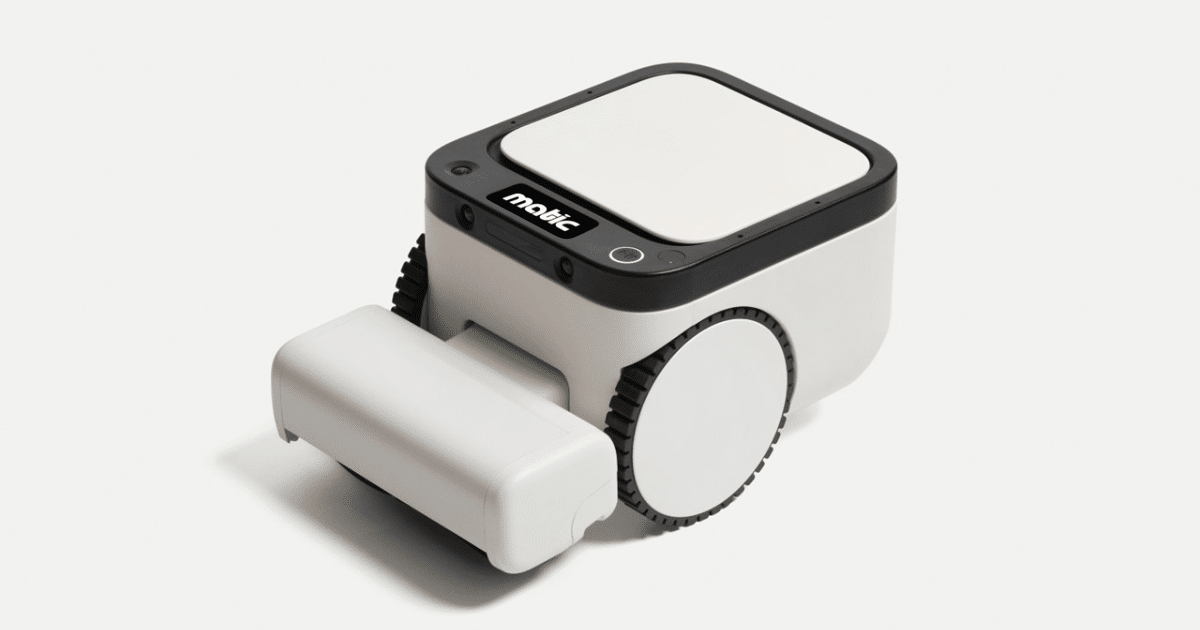
Matic is adding voice and gesture controls to its robot vacuum through a free software update called Matic Cues, allowing owners to speak directly to the robot or point toward an area that needs cleaning.
Voice interaction has been part of Matic’s roadmap for years, and Cues brings that feature to existing robots with support for more than 70 languages. Users can ask Matic to clean a room, come to their location, follow them or clean a specific area they point toward.
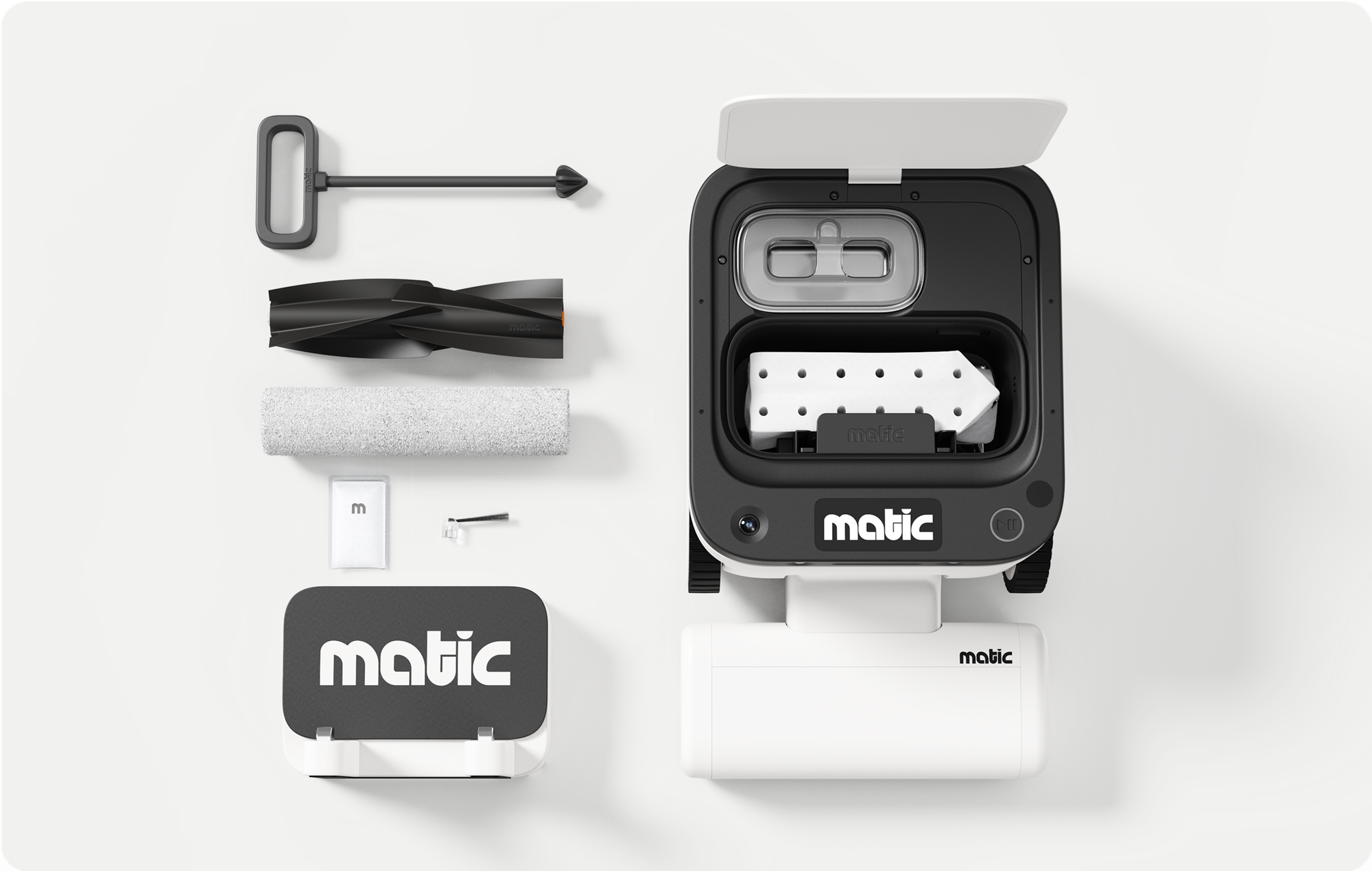
The system uses Matic’s existing five-camera vision setup to locate the person giving the command and interpret where they are pointing.
The Privacy Trade-Off
Cues also breaks one of Matic's core promises that processing stays on the robot.
Matic has emphasized that visual information from inside the home is processed on the robot rather than sent to the cloud. That remains true for its camera system, but Cues handles voice commands differently.
The "Hey Matic" wake phrase is detected locally. The spoken command that follows is sent to Google's Gemini API for interpretation. Matic says requests are anonymized and a chime alerts users when information is leaving the robot. Cues is opt-in, and both the feature and the microphones can be disabled.
That distinction has divided Matic owners in r/MaticRobots, particularly over whether third-party cloud processing fits with the company's privacy-focused positioning.
Matic co-founder Mehul Nariyawala told The Verge the company is working toward processing common commands locally. An initial version could support roughly 20 to 30 commands, potentially only in English, compared with the broader language and conversational support available through Gemini.
Until that ships, owners have to pick cloud-based conversational controls or keep Cues turned off.
Voice and Gesture Controls Aren't Entirely New
Voice and camera-based controls are not new to robot vacuums. Dreame, MOVA, Narwal, Ecovacs and Roborock already offer onboard voice assistants that can use their cameras to locate you and clean.
Dreame with "OK, Dreame. Come here and clean."
MOVA with "OK, MOVA. Come here and clean.
Narwal with "Hey Narwa. Clean here."
Ecovacs with "OK Yiko. Come here."
Roborock with "Hey Rocky. Come here."
Matic builds on those ideas with more conversational commands through Gemini and with pointing gestures. After saying "Hey Matic," users can point toward an area and tell the robot to clean it, or ask Matic to follow them before identifying a mess.
Early Limitations & Availability
Cues cannot look at a mess and determine on its own whether to vacuum or mop. Users have to specify the cleaning action, and the current hardware cannot handle a mixed liquid-and-solid mess in a single operation.
Nariyawala also acknowledged on the thread in r/MaticRobots that matching the robot's movement to a person's walking speed is difficult and said the behavior will be improved.
Cues is rolling out now through a firmware update. Once installed, users must enable the feature in the app, as Cues is opt-in only.
All images courtesy of Matic.