Matic Robot Receives Conditional Approval Under New FCC Rules
Matic’s robot floor cleaner and charging dock received conditional approval from the Department of War, exempting both devices from the FCC’s Covered List for foreign-produced advanced robotic devices.

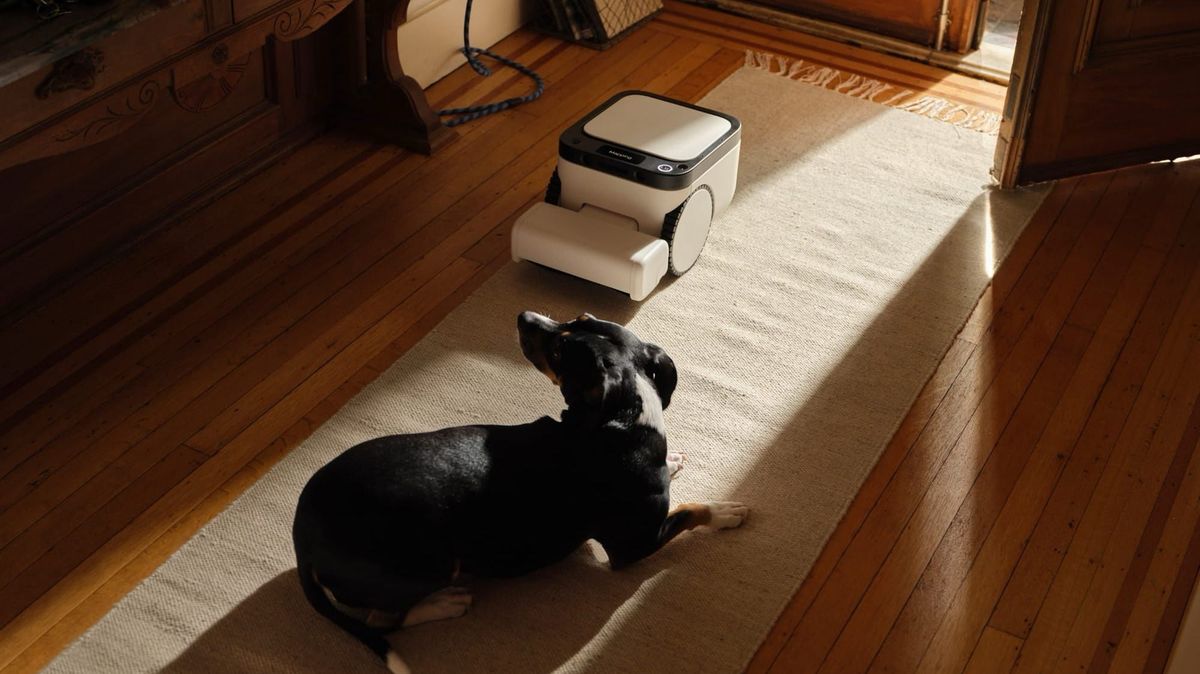
Matic’s robot floor cleaner has received a conditional exemption from Federal Communications Commission restrictions on foreign-produced advanced robotic devices, clearing the company’s current model and charging dock under the new rules.
The FCC’s Public Safety and Homeland Security Bureau said Oct. 2 that the Department of War granted conditional approval to Matic Robots Inc.’s Robotic Floor Cleaner Model 4MA0001 and Charging Dock Model 4DK0008. The approval exempts both devices from the FCC’s Covered List.
Matic is different from most major robot vacuum brands because it is a U.S.-based company that designs and assembles its robots in Mountain View, California. The company says its robots are designed, tested, assembled and supported in the United States, although some components are sourced overseas.
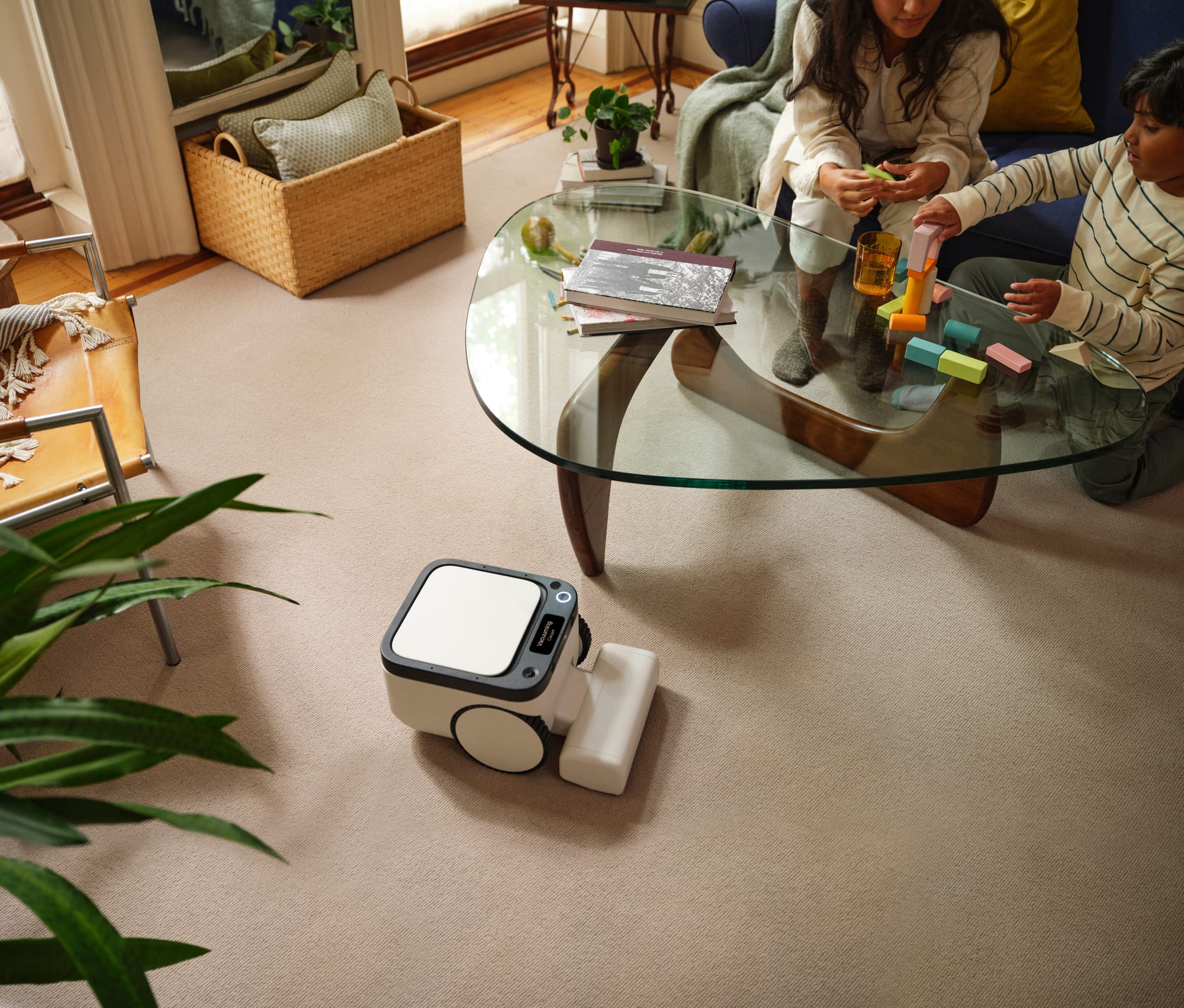
That put Matic in an unusual position under the FCC rules. Most major robot vacuum manufacturers are based in China or elsewhere in Asia and manufacture their products overseas. Matic already performs final assembly in California but still relies on foreign-made components.
Matic co-founder Mehul Nariyawala told Forbes in August that the company designs and assembles its robots in the United States while sourcing some components from Asia. He said Matic planned to increase U.S. manufacturing in response to the FCC rules.
Matic’s approval requires the company to continue following the onshoring plan included in its application and subjects its products to updated government vetting.
The approval does not list an expiration date. Under the FCC framework, conditional approvals for advanced robotic devices without an end date can remain in effect indefinitely as long as the manufacturer continues to meet the conditions of the approval.
Matic has yet to comment on the exemption.