
Bipartisan Bill Could Reshape FCC Process Behind U.S. Robot Restrictions
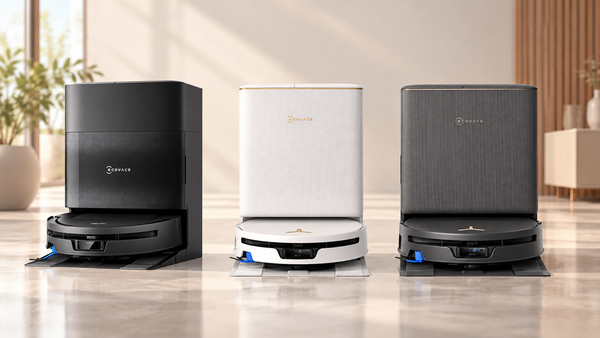
A bipartisan House bill would add more oversight to the FCC’s Covered List process while leaving the current restrictions on foreign-produced advanced robotic devices in place.

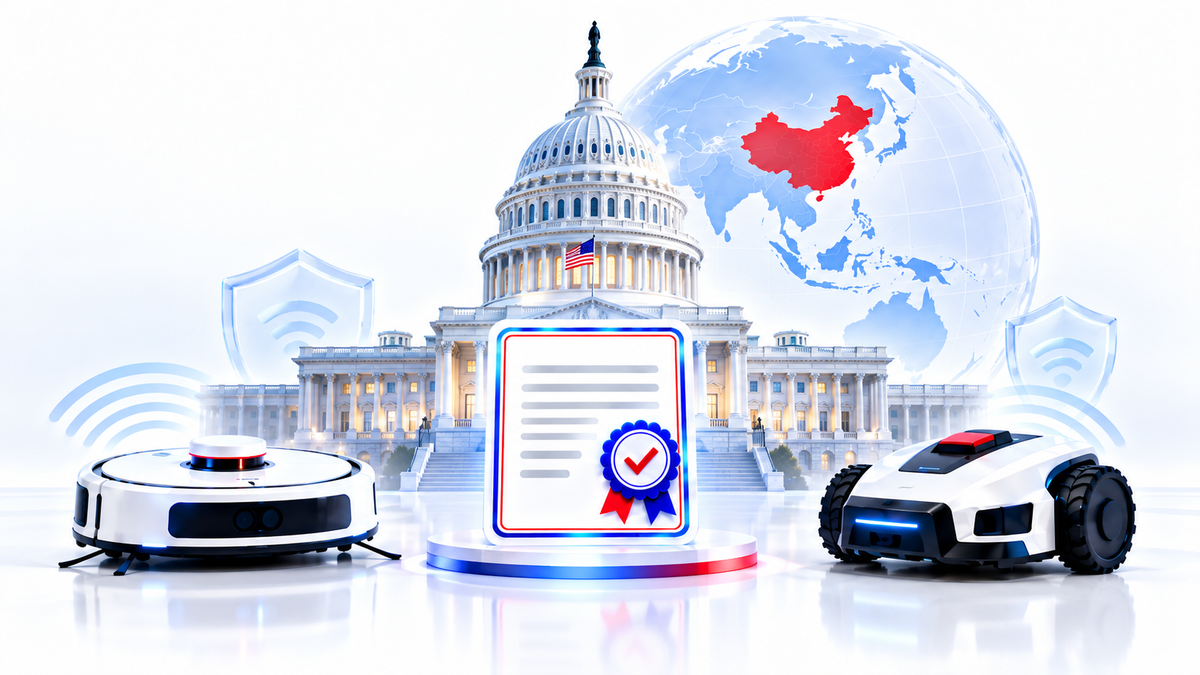
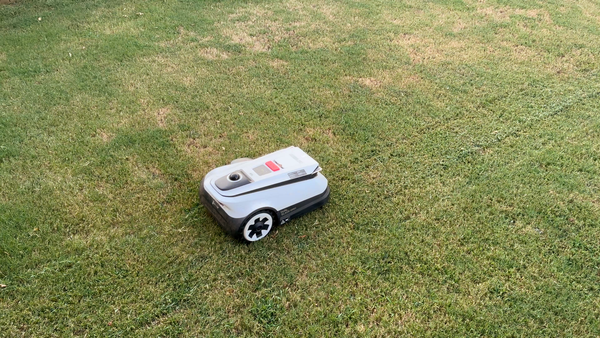
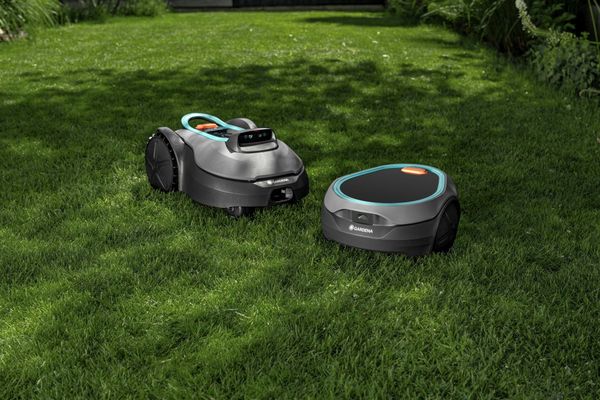
A bipartisan bill introduced in the House could change how the Federal Communications Commission adds technology to its Covered List, the same national security tool now restricting new foreign-made robot vacuums, robotic lawn mowers and other advanced robotic devices from entering the U.S. market.
House Energy and Commerce Committee Chairman Brett Guthrie, R-Ky., and ranking member Frank Pallone Jr., D-N.J., introduced the Communications and Technology Transparency Act of 2026 on Wednesday.
The bill would change how technology is added to and removed from the FCC's Covered List, the House Energy and Commerce Committee said.
Reuters reported Wednesday that the bipartisan proposal is aimed at adding more oversight to the process.
The proposal comes less than two months after the FCC added "foreign-produced advanced robotic devices" to its Covered List on July 28.
Congress Would Get More Oversight
The bill would require the FCC to notify Congress at least seven days before adding a new technology or service to the Covered List.
The notice would have to explain what is being added and the national security concern behind the decision, according to the bill text.
The bill would also give Congress a way to review FCC decisions that add or remove an entire category of technology from the Covered List.
The FCC and Commerce Department would also have to meet at least every 90 days to coordinate on Covered List decisions. Other national security agencies could take part, and the agencies would report to Congress each year.
Guthrie and Pallone said the bill would bring more transparency and consistency to the FCC's Covered List process.
The bill would also require the FCC to review the Covered List at least once every six months and create a process for removing technology when the national security determination behind the restriction changes.
Future Restrictions Would Focus on Foreign Adversaries
One of the biggest changes for the robotics industry would affect what technology can be added to the Covered List in the future.
The bill would generally limit new additions to technology produced or provided by companies controlled by a designated foreign adversary.
The House Energy and Commerce Committee said that includes China, Russia, Iran and North Korea.
That is narrower than the FCC's July robotics action, which applies to "foreign-produced advanced robotic devices" unless a device receives conditional approval.
The current FCC notice still lists foreign-produced advanced robotic devices with a July 28 effective date.
If the bill becomes law, future restrictions would generally have to target technology tied to a designated foreign adversary rather than foreign-produced technology as a whole.
Existing Robot Restrictions Would Remain
The bill would not automatically reverse the current advanced robotics restriction.
The bill text says the changes would not affect technology already on the Covered List before the legislation takes effect.
That means the July 28 restriction covering foreign-produced advanced robotic devices would remain in place unless it is changed separately.
That matters for robot vacuum and robotic lawn mower manufacturers trying to bring upcoming products to the United States.
The bill would also make clear that the FCC would not have to go back and revoke equipment authorizations issued before a product was added to the Covered List.
The Communications and Technology Transparency Act is still proposed legislation and would have to pass Congress and be signed into law before taking effect.
For robot vacuum and robotic lawn mower manufacturers, the current FCC restrictions would remain in place.
The biggest change would come later, with more congressional oversight and a narrower standard for future additions to the Covered List.