FCC Bans Chinese Testing Labs From Certifying Electronics for U.S. Market
The FCC voted to restrict electronics testing in China beginning in December 2028, potentially affecting future U.S. robot vacuum and robotic mower launches.

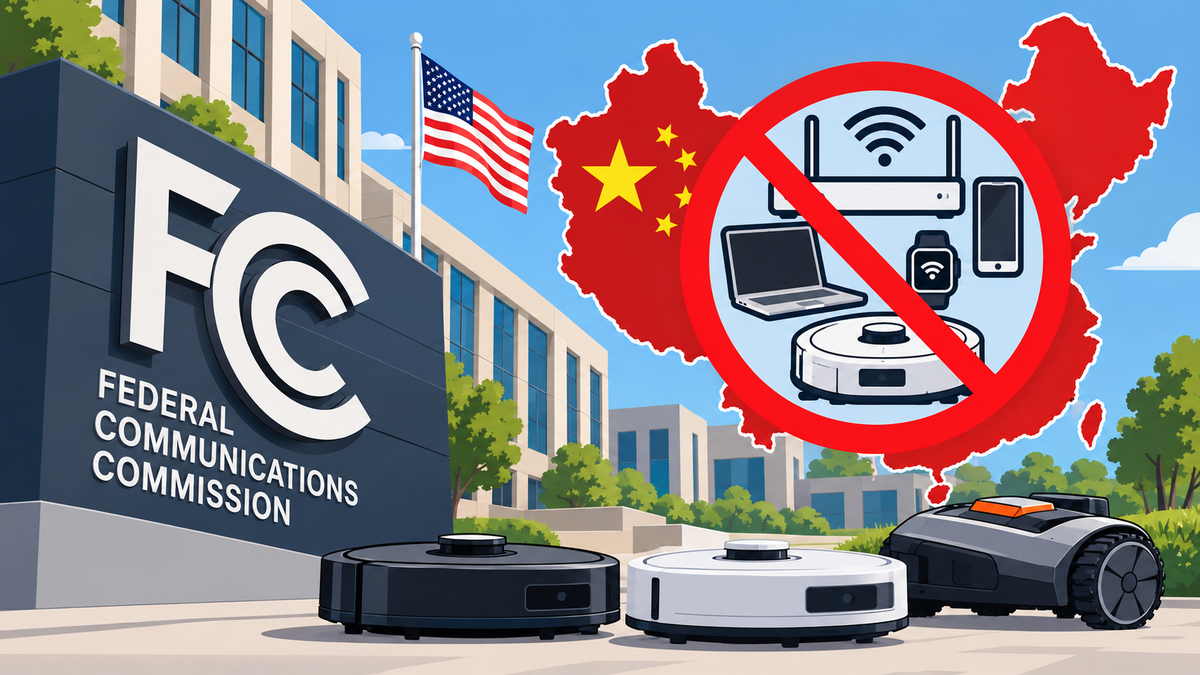
The Federal Communications Commission voted Thursday to prohibit electronics testing laboratories in China and other countries without qualifying agreements with the United States from conducting FCC-recognized testing for devices entering the U.S. market.
The restrictions, adopted Oct. 29, take effect Dec. 1, 2028, and will require manufacturers to use laboratories in the United States or countries with agreements recognizing American testing facilities.
The decision affects a broad range of wireless electronics, including smartphones, routers, robot vacuums and robotic lawn mowers that require FCC equipment authorization.
Why the FCC Is Restricting Foreign Testing Labs
The FCC requires manufacturers to demonstrate that certain electronic devices meet federal radiofrequency and interference standards before they can be marketed in the United States. Independent laboratories typically perform the necessary testing before manufacturers submit their certification applications.
According to FCC Chairman Brendan Carr, 82% of electronic devices were tested in China in 2025, compared with fewer than 4% in the United States.
The commission argues that relying heavily on foreign laboratories creates national security risks, including potential exposure of confidential product information and reduced oversight of testing activities.
The new requirements cover FCC-recognized testing laboratories, telecommunications certification bodies and laboratory accreditation organizations.
Importantly, the restrictions concern where testing takes place, not where products are manufactured. Chinese manufacturers can continue using eligible laboratories in other countries, including those with qualifying reciprocal agreements with the United States.
What This Means for Robot Vacuums and Robotic Mowers
Robot vacuums and robotic lawn mowers commonly incorporate Wi-Fi, Bluetooth and other wireless technologies subject to FCC equipment authorization requirements.
Manufacturers currently relying on Chinese laboratories may need to move testing to approved facilities elsewhere, potentially increasing certification costs or delaying new product introductions.
However, the decision does not automatically invalidate existing FCC certifications or prohibit Chinese-manufactured products from being sold in the United States.
Previously authorized devices can continue operating under their existing approvals, subject to applicable regulations.
Another Restriction Affecting Household Robots
The decision adds another regulatory consideration for manufacturers already navigating the FCC's restrictions on foreign-produced advanced robotic devices introduced July 28.
Those earlier restrictions limit new equipment authorizations for certain robotic products unless an exemption or conditional approval is granted.
Unlike those measures, the latest rules address the testing and certification process rather than whether a particular robotic device is eligible for authorization.
The FCC has also previously restricted laboratories associated with entities considered national security risks.
Manufacturers Have Until December 2028
The transition period gives manufacturers more than two years to adjust their certification processes while eligible laboratories prepare for additional demand.
The commission is also considering separate requirements involving laboratory ownership, transparency and oversight.
Although the new restrictions have no immediate effect on existing certifications, their long-term impact will depend on whether eligible laboratories can accommodate increased demand without raising costs or delaying product launches.
For manufacturers already navigating tighter FCC restrictions, securing access to approved testing facilities could become another important factor in bringing future household robots and other electronics to the U.S. market.