Roborock Saros 20 Flow First Look: New Flagship, Early Concerns
The Roborock Saros 20 Flow brings roller mopping, powerful suction and advanced navigation to a new flagship. Our hands-on first look examines its cleaning performance, obstacle avoidance, app controls and early shortcomings.

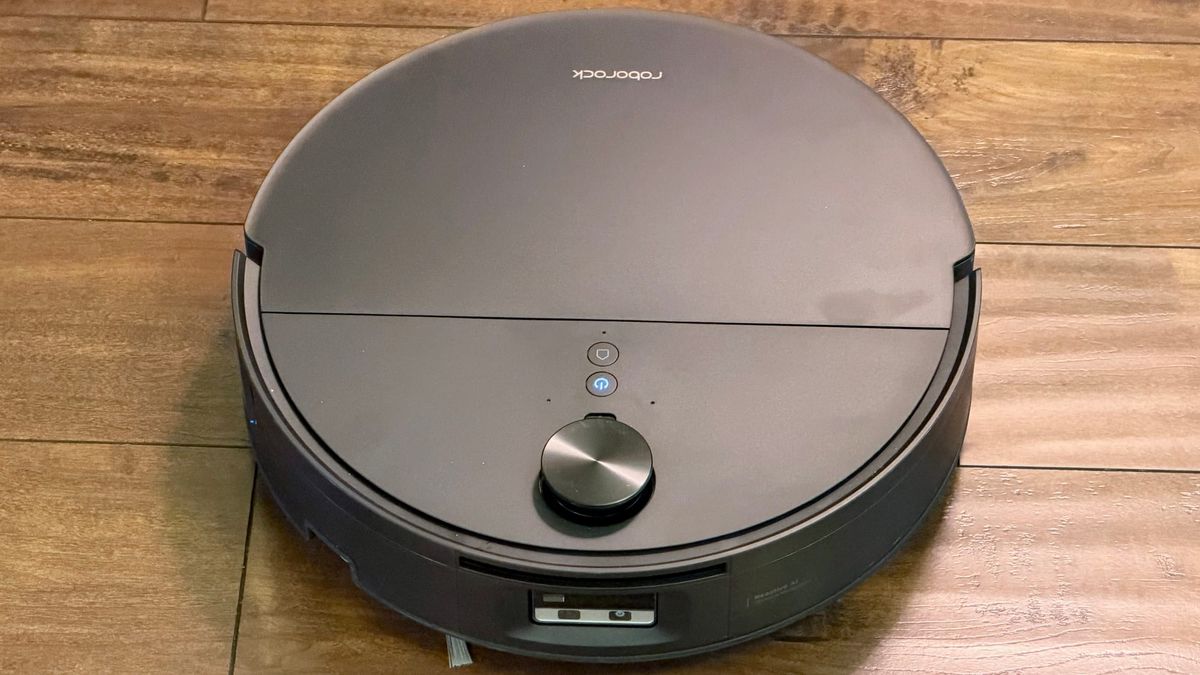
The Saros 20 Flow has been one of Roborock's most anticipated robot vacuums this year. Unlike the Saros 20 and Saros 20 Sonic, it is the first model in the company's flagship lineup built around a roller mop.
After unboxing the Saros 20 Flow and putting it through its first cleaning runs, it became clear that the mop roller isn't the only thing setting it apart from the other Saros models.
Unboxing and Build Quality
The Saros 20 Flow arrives in a large, colorful retail box, with the robot packed separately from its docking station.
The box includes the Saros 20 Flow, multifunction dock, ramp, power cable, dust bag and user manual.
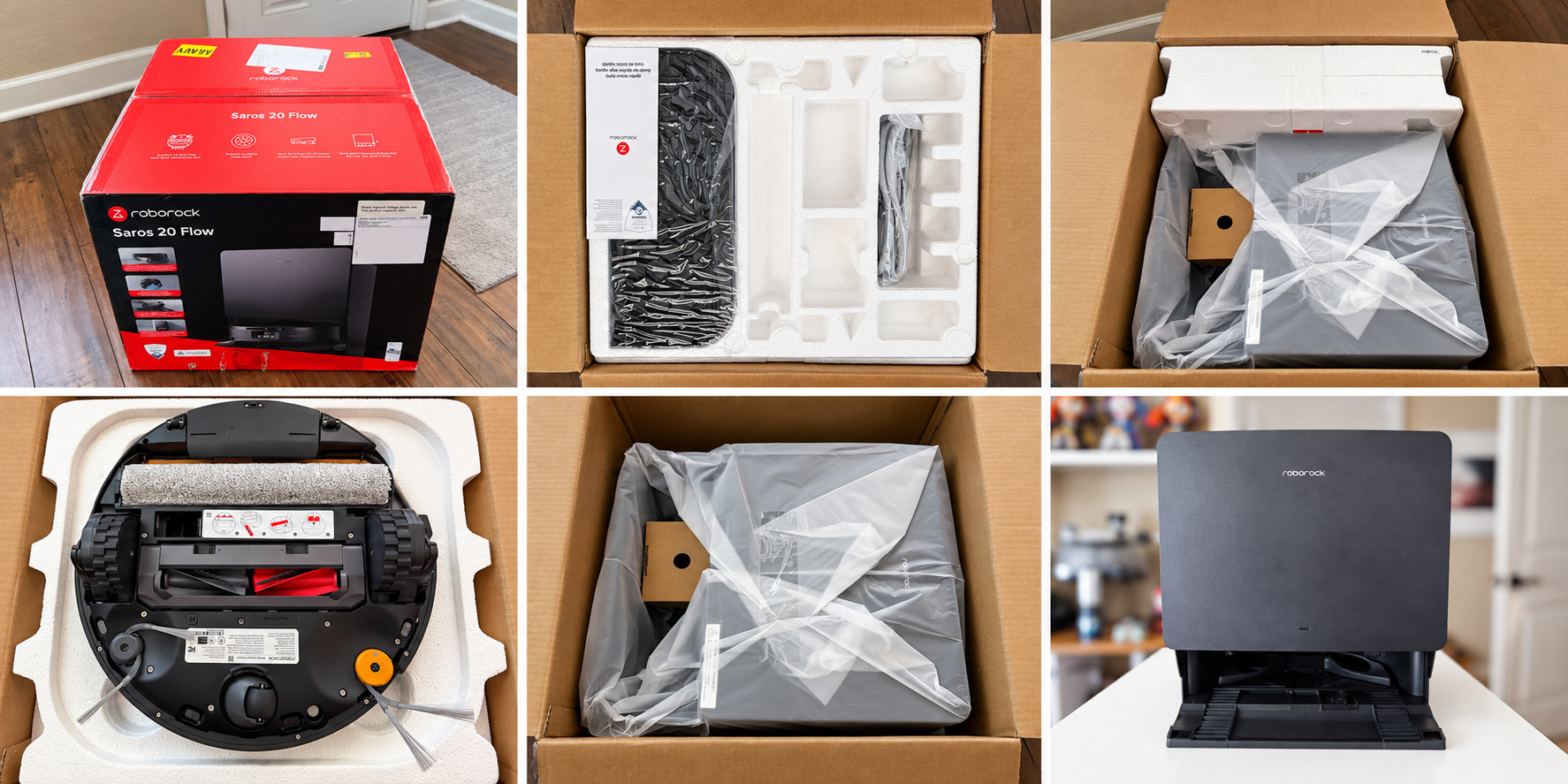
Our review unit did not include sample detergent or additional accessories.
From above, the robot looks relatively similar to the Saros 20 Sonic, but the differences become much more obvious underneath.
The roller stretches across much of the rear, with the two-piece DuoDivide main brush positioned ahead of it and side brushes at both front corners.
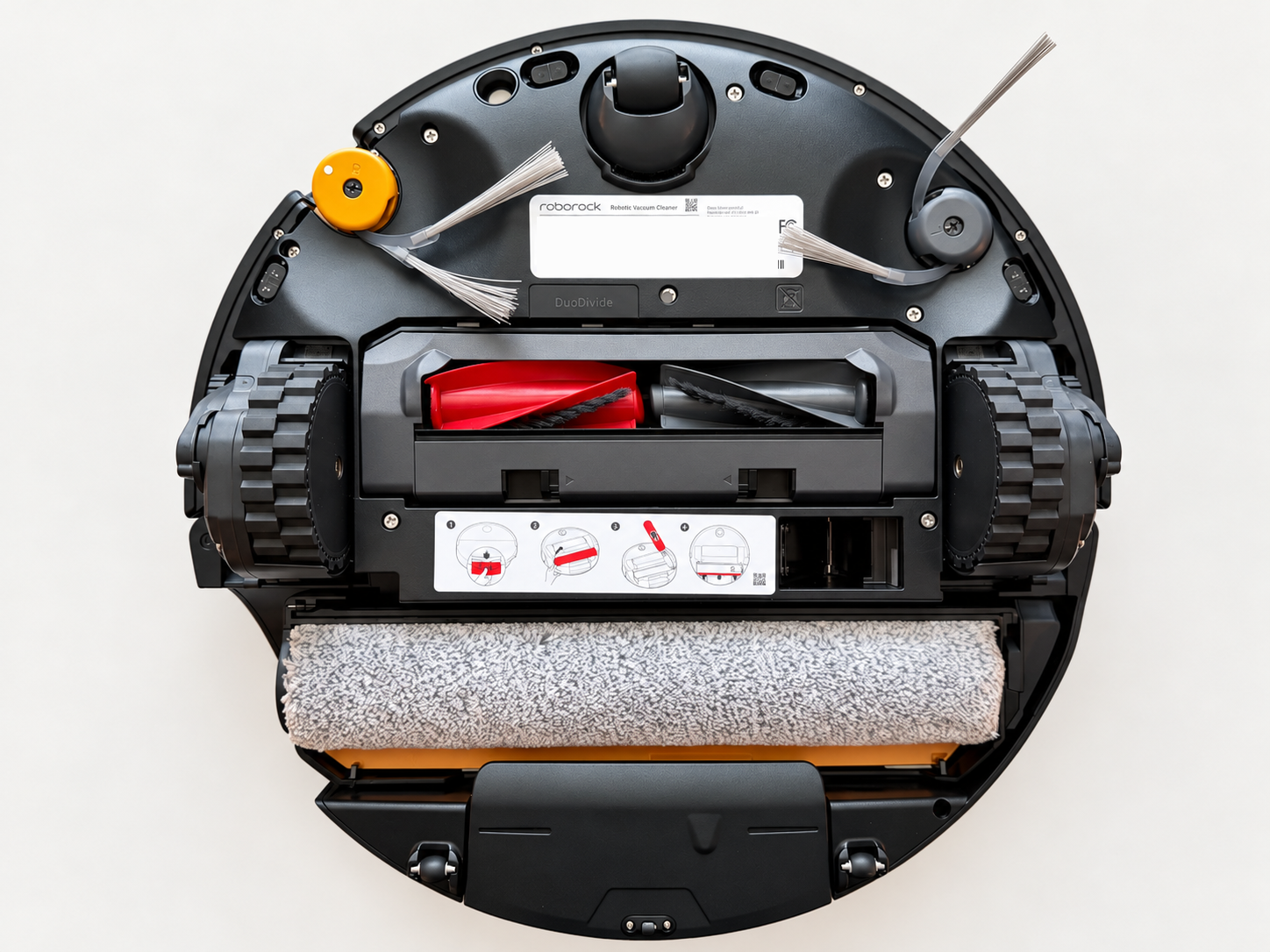
The climbing arms sit alongside the main drive wheels, while a new onboard dirty-water tank connects to the rear. The filter and dustbin remain largely unchanged from the Saros 20 Sonic.

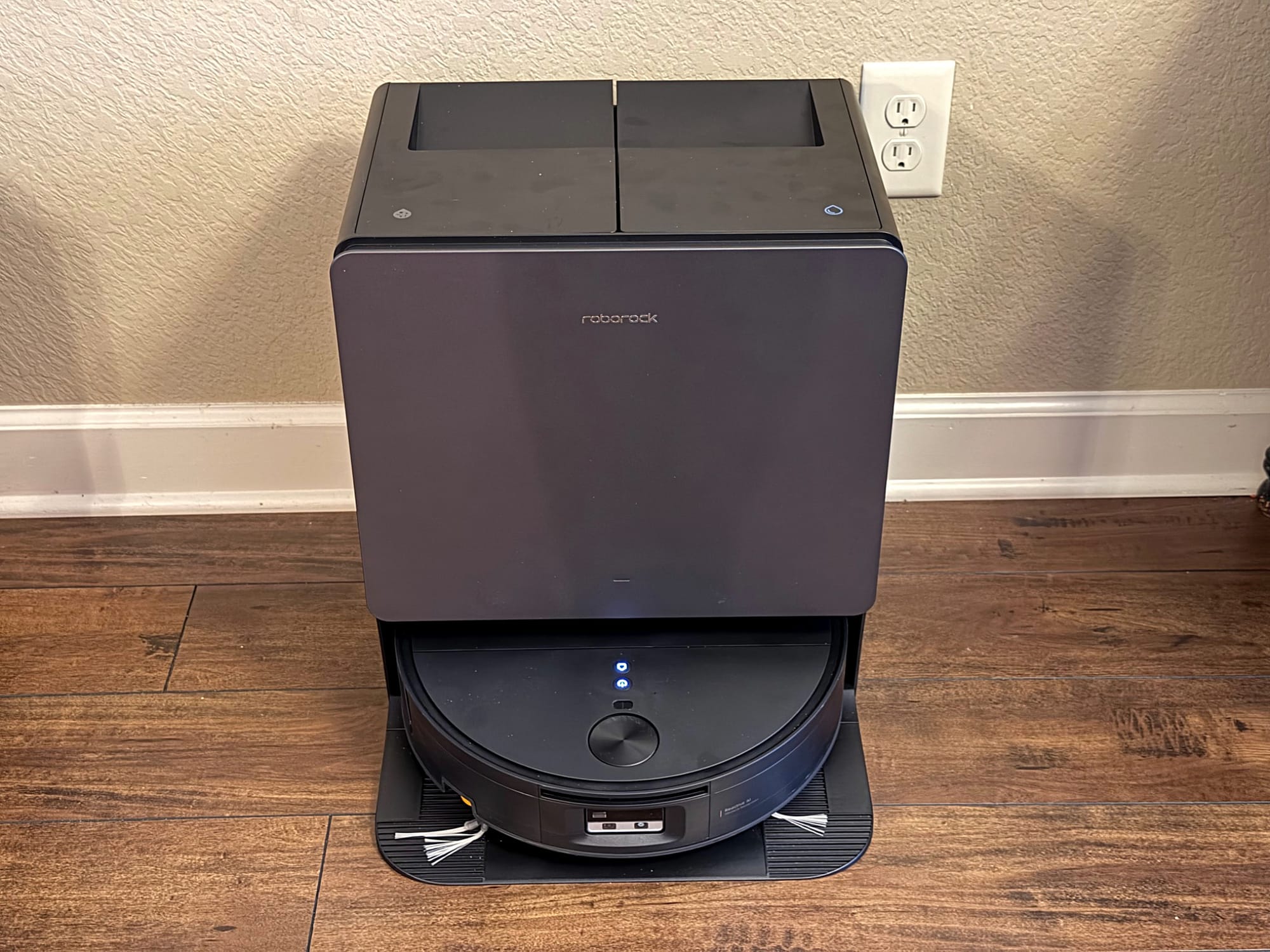
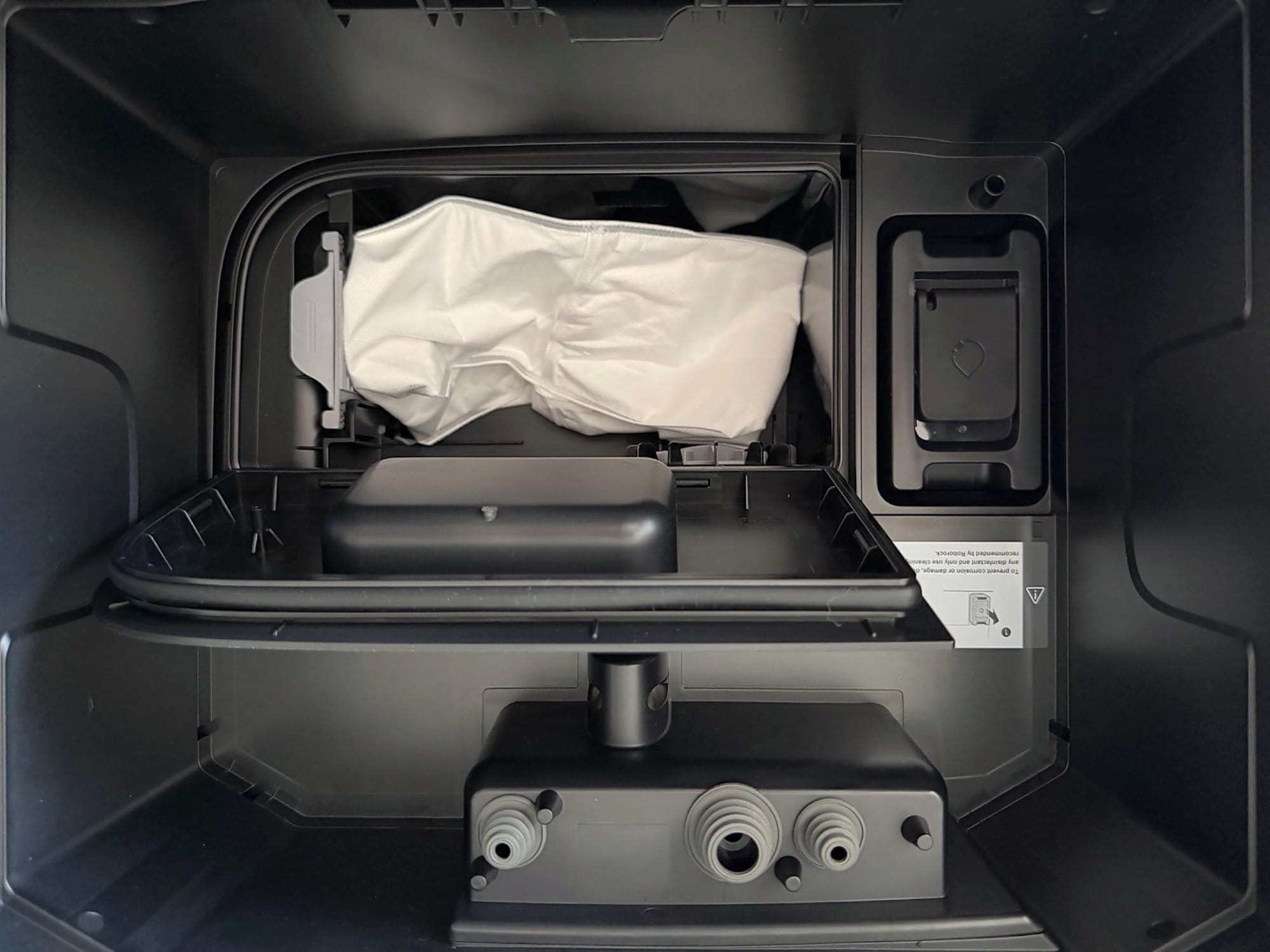
The base station has a more squared-off charcoal gray design than the Saros 20, with the refillable detergent dispenser and dust bag located below the water tanks rather than behind a removable front cover.
A short docking ramp attaches to the bottom, while a gray power cord is fixed to the back of the dock, with limited options for cord management.
A Closer Look at SpiraFlow 2.0
The Saros 20 Flow uses Roborock's SpiraFlow 2.0 roller-mop system, an updated version of the design first introduced in the U.S. with the Qrevo Curv 2 Flow.
Roborock says the 10.6-inch roller has 16 pressurized water outlets, up from eight on the Curv 2 Flow, and can spin at up to 240 rpm while applying as much as 15 N of downward pressure.
It can also extend up to 1.73 inches for improved edge coverage.

Like the Curv 2 Flow, the scraper is thick compared with those on other roller-mop models. Unlike Dreame and MOVA units, there is no additional fluffing roller to help lift and refresh the microfiber material on the mop roller itself.
The roller shaft can also pivot upward to a nearly 90-degree angle, providing much better access underneath for cleaning.
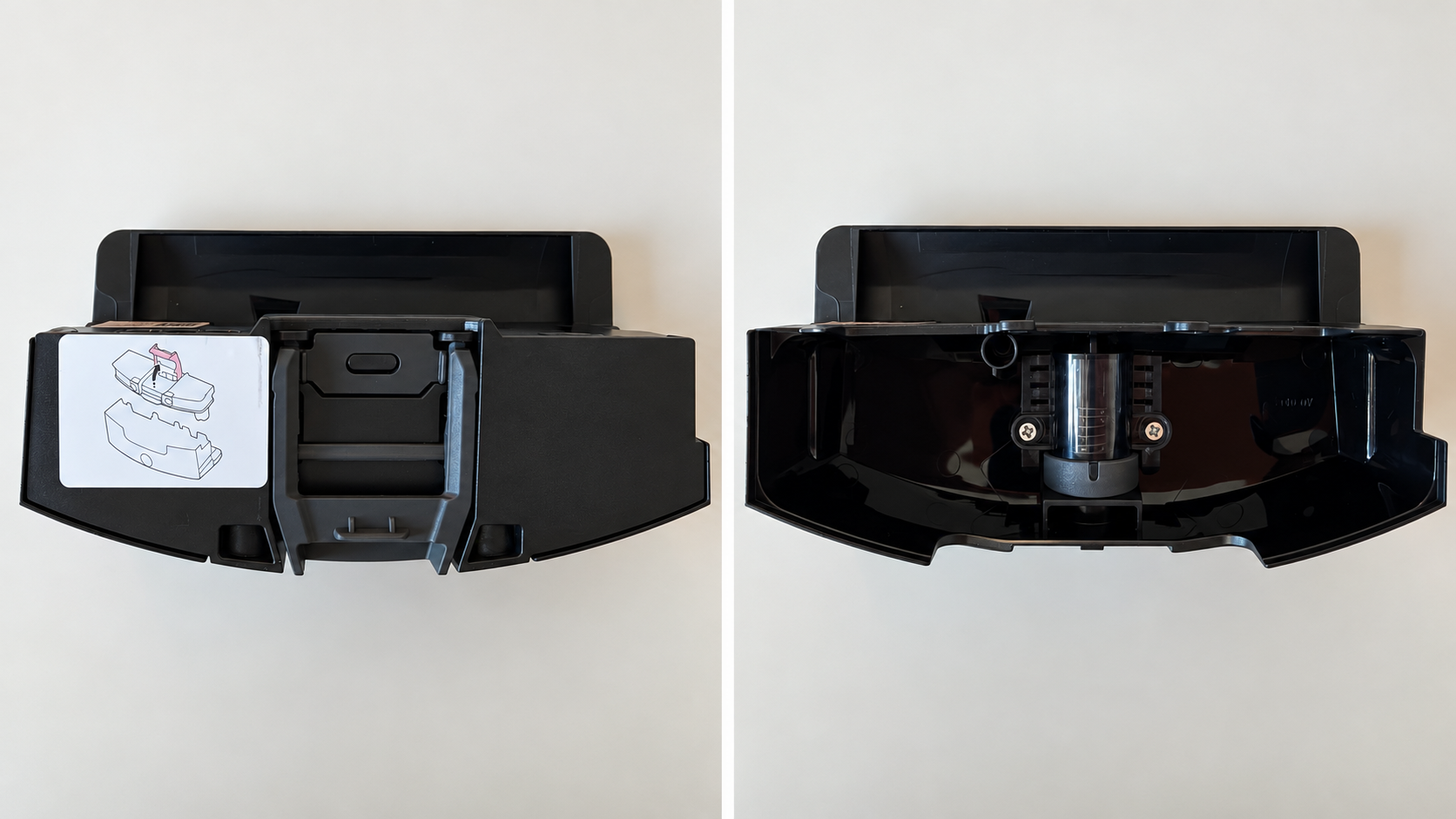
Clean water is continuously supplied to the roller, while dirty water is collected in the robot's onboard dirty-water tank, which can be separated into two pieces for cleaning.
When carpet is detected, the roller can lift up to 0.59 inch while a protective cover slides into place to keep the wet mop off the floor.
Better Climbing, Awkward Clearance
The Saros 20 Flow uses new climbing arms and auxiliary wheels alongside its main drive wheels as part of Roborock's AdaptiLift Traverse 3.0 system.
Roborock rates it for two-stage thresholds totaling up to 3.46 inches under specific conditions, matching the Saros 20 and Saros 20 Sonic. That includes a first step of up to 1.77 inches followed by a second measuring up to 1.69 inches.
The robot also maintains a low 3.54-inch profile with Roborock's retractable lidar system, also found on the Saros 20 Sonic. The sensor stays raised in open areas for 360-degree scanning, then lowers when the robot needs additional clearance beneath furniture.
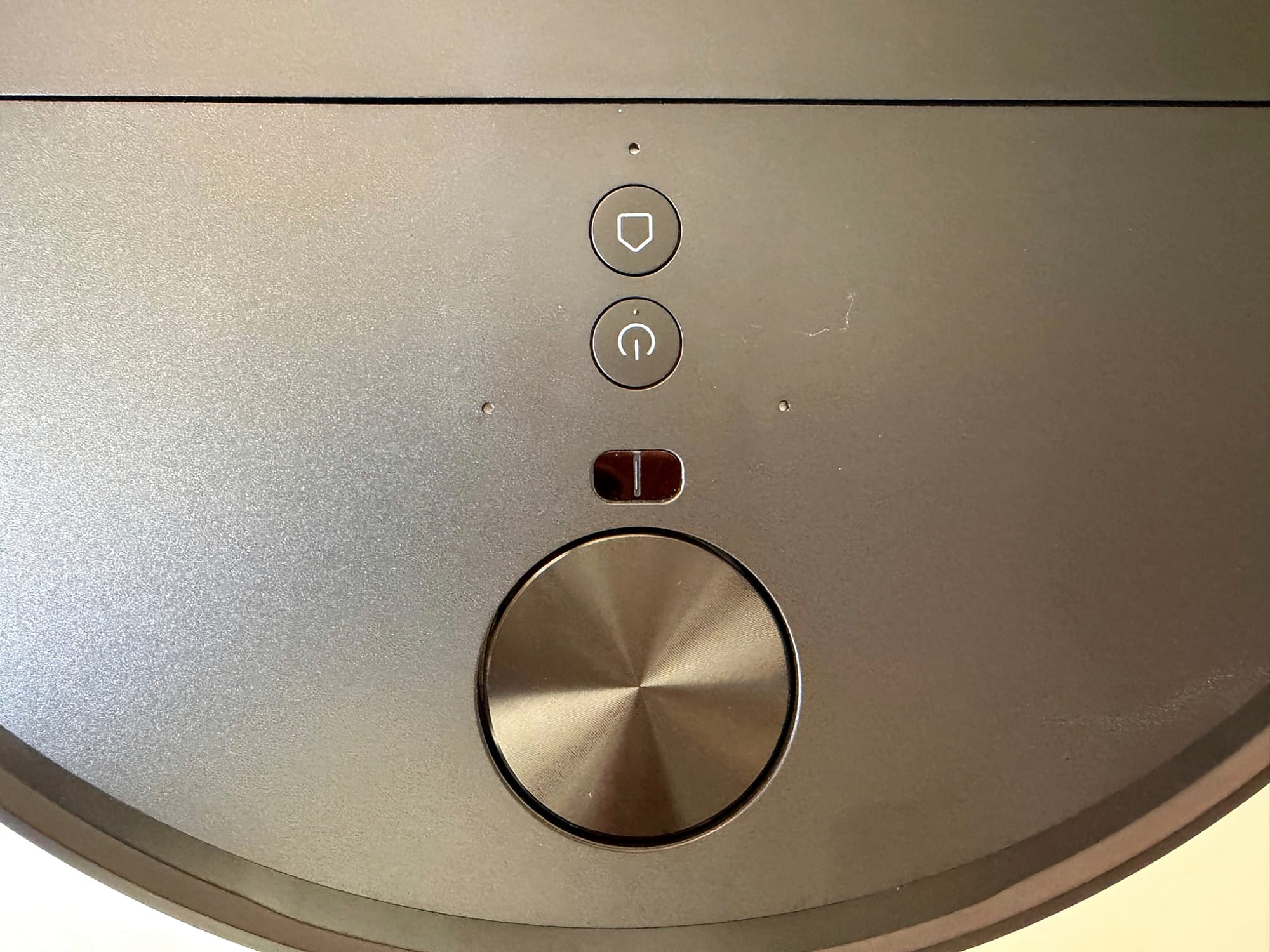
With the lidar retracted, Roborock says the robot relies on a 100-degree rear field of view.
Users can choose between Safe Clearance and Extreme Clearance, depending on how aggressively they want the robot to navigate low spaces.
That sounds good on paper, but clearance behavior has already been awkward in our limited testing. The lidar occasionally rises and scrapes against low furniture instead of remaining retracted.
Questionable Corner Cleaning
Roborock also gives the Saros 20 Flow two lifting side brushes instead of one.
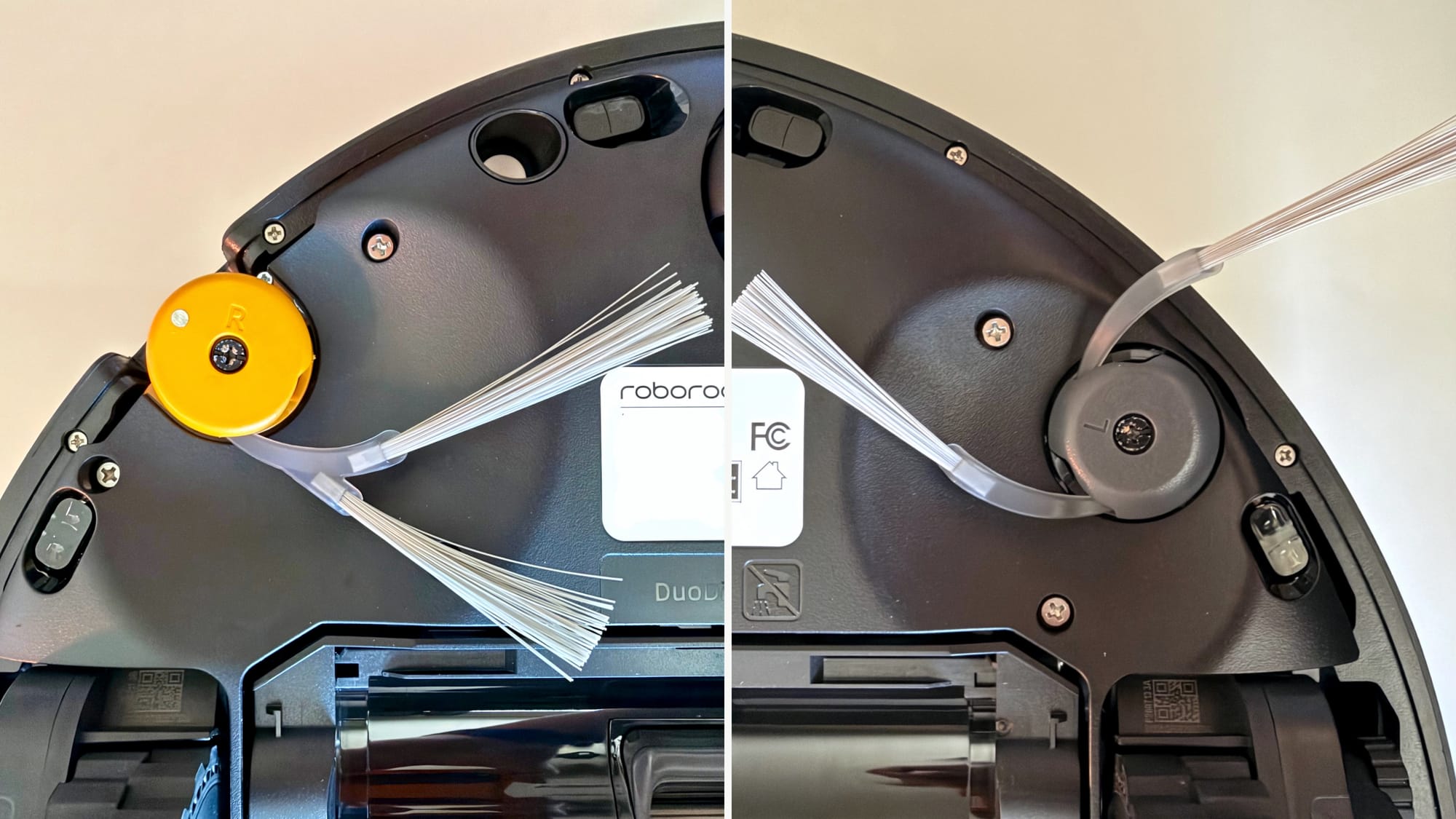
Neither extends outward like the side brush on the Saros 20, although both are unusually long and reach well beyond the robot's body.
We're not yet convinced the longer brushes will make up for the lack of extension when cleaning corners.
Other brands already offer side brushes that can both lift and extend, and Roborock itself took that approach with the Saros 10R.
Setup and Mapping
Roborock recommends placing the dock on a hard, level floor with 4 feet of open space in front. The Saros 20 Flow supports only 2.4 GHz Wi-Fi.
Setup was typical of other robot vacuums, although one instruction in the manual made us chuckle.
Roborock recommends vacuuming the floor at least three times before the first mopping cycle to reduce the amount of dirt that immediately collects on the roller.
We're not sure that's a great endorsement of the Saros 20 Flow's vacuuming ability.
Quick mapping took about 15 minutes to cover a nearly 1,600-square-foot floor plan. The map was accurate, but Roborock's automatic room naming needs work.
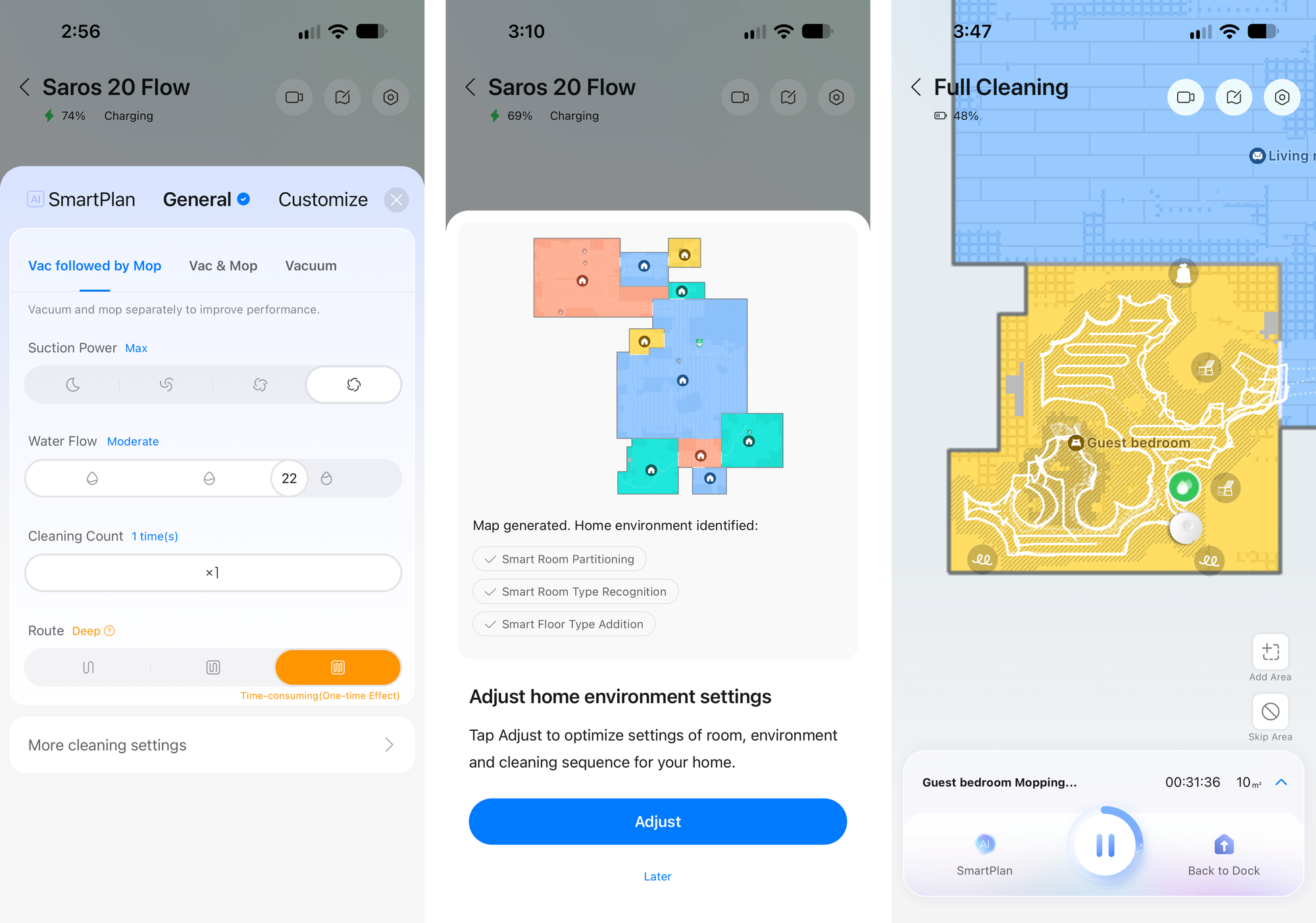
Our kitchen was labeled a bathroom, our primary bathroom a kitchen and several other rooms were similarly mislabeled.
Fortunately, correcting the names and room boundaries was straightforward, and the map accurately reflected the floor's layout, including room sizes and wall locations.
Obstacle Avoidance Looks Promising, but Carpet Is Harder
The Saros 20 Flow uses Roborock's Reactive AI obstacle-avoidance system, which combines an RGB camera, structured light and a VertiBeam lateral structured light sensor.
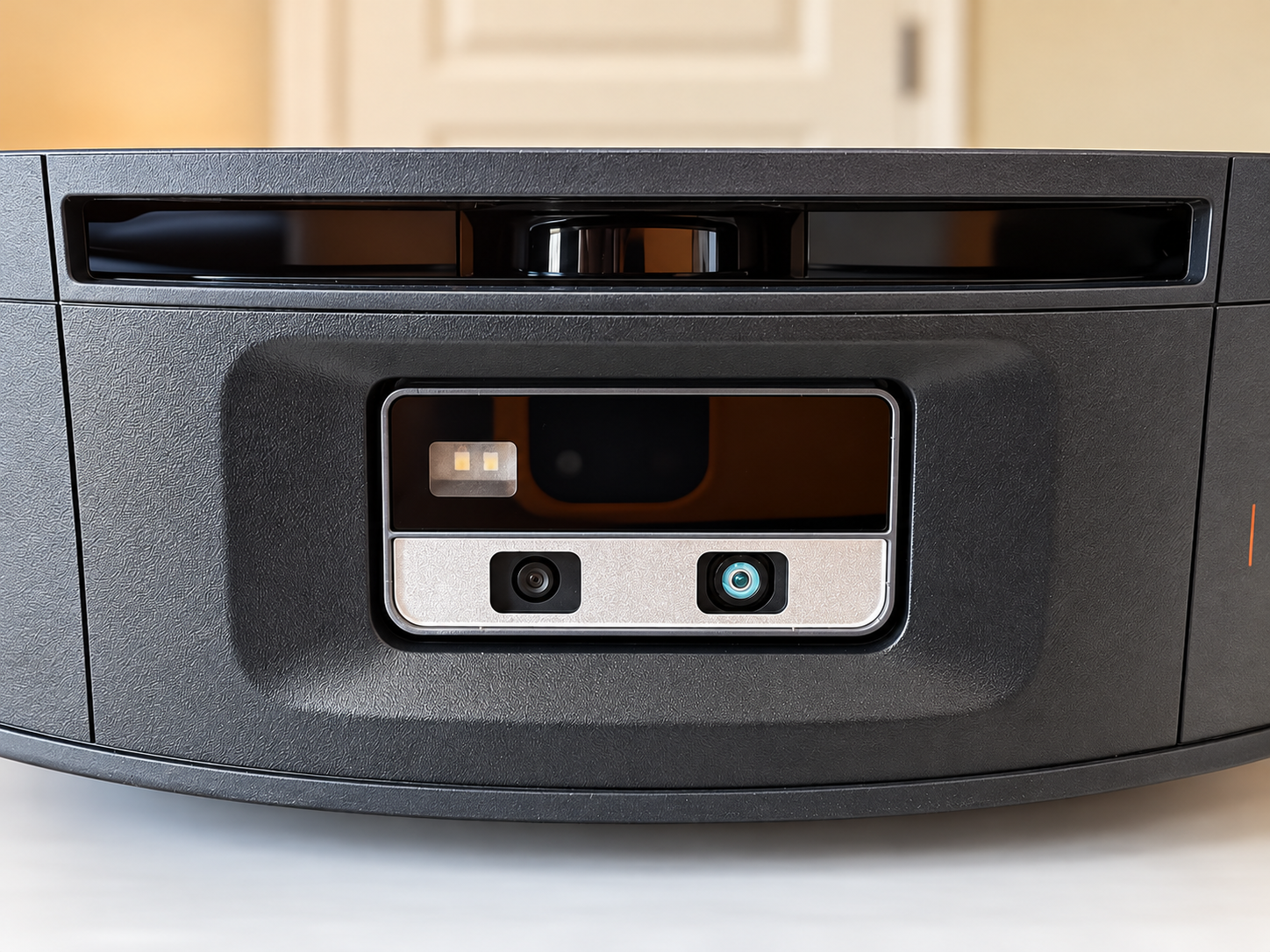
It's the same system found on the Saros 20 Sonic, and Roborock claims it can recognize more than 300 types of objects.
Our initial testing has produced mixed results.
On engineered hardwood, the Saros 20 Flow successfully avoided shoes, charging cables, boxes and small toys.
Performance on carpet has been less consistent. Although it did manage to avoid a white charging cable, it failed to detect a silver TV remote, a dog ball and a cat spring.

During another run, the robot became entangled in the tassels of a white and blue throw blanket that had fallen from the couch onto the engineered hardwood floor. Rather than recognizing the blanket as an obstacle, the Saros 20 Flow attempted to vacuum right over it as though it wasn't there.
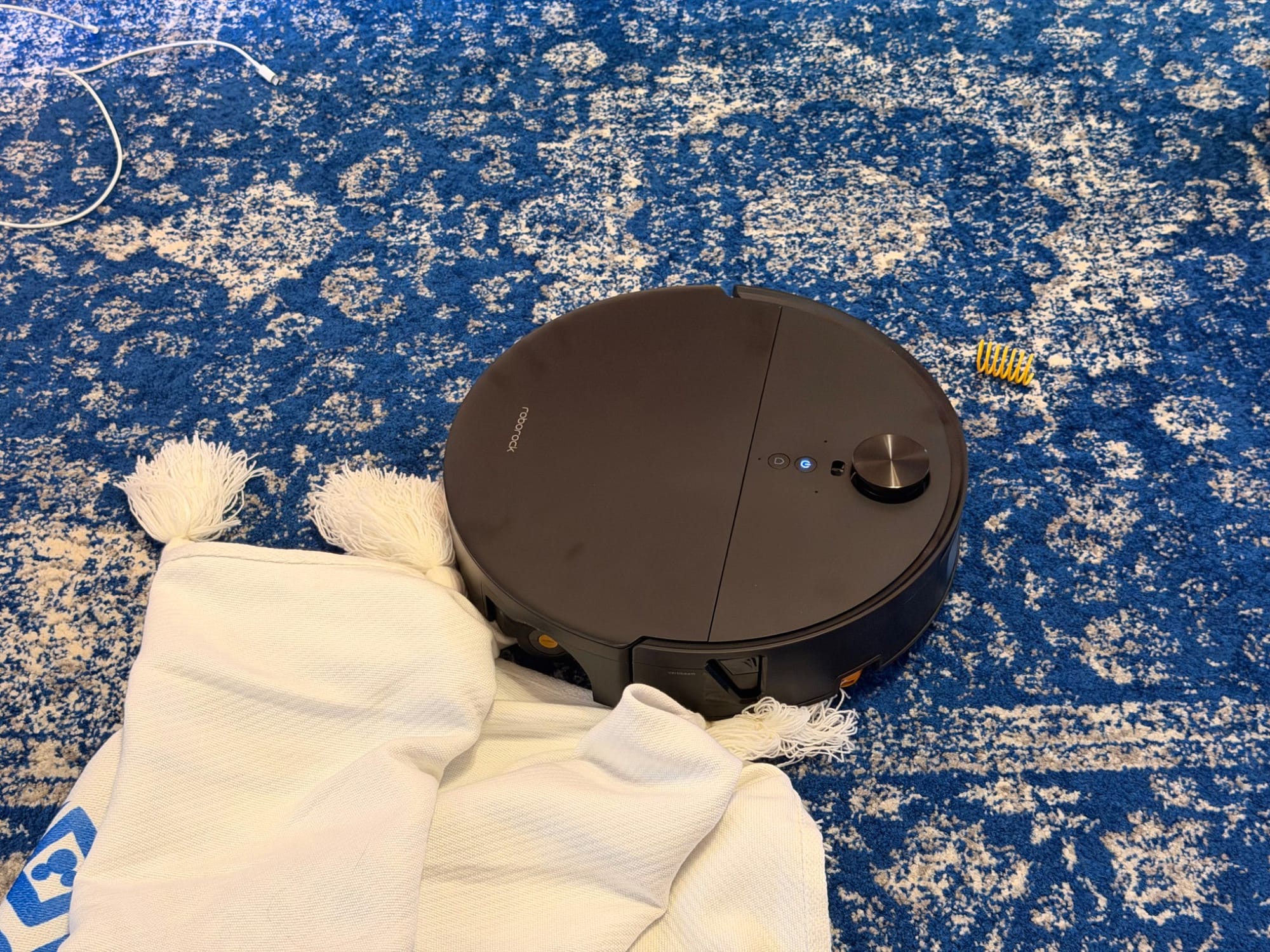
Obstacle avoidance remains an area we'll be watching during long-term testing.
So far, performance has been average at best and falls well short of what we've experienced with the Dreame X60 Max Ultra.
Vacuuming Is Still an Open Question
Roborock rates the Saros 20 Flow at up to 36,000 Pa of suction, up from 20,000 Pa on the Qrevo Curv 2 Flow.
But suction numbers alone don't determine cleaning performance.
The robot retains the two-piece DuoDivide main brush found on other recent Roborock flagships. The design angles two brush sections toward the center intake and is intended to reduce hair tangling.
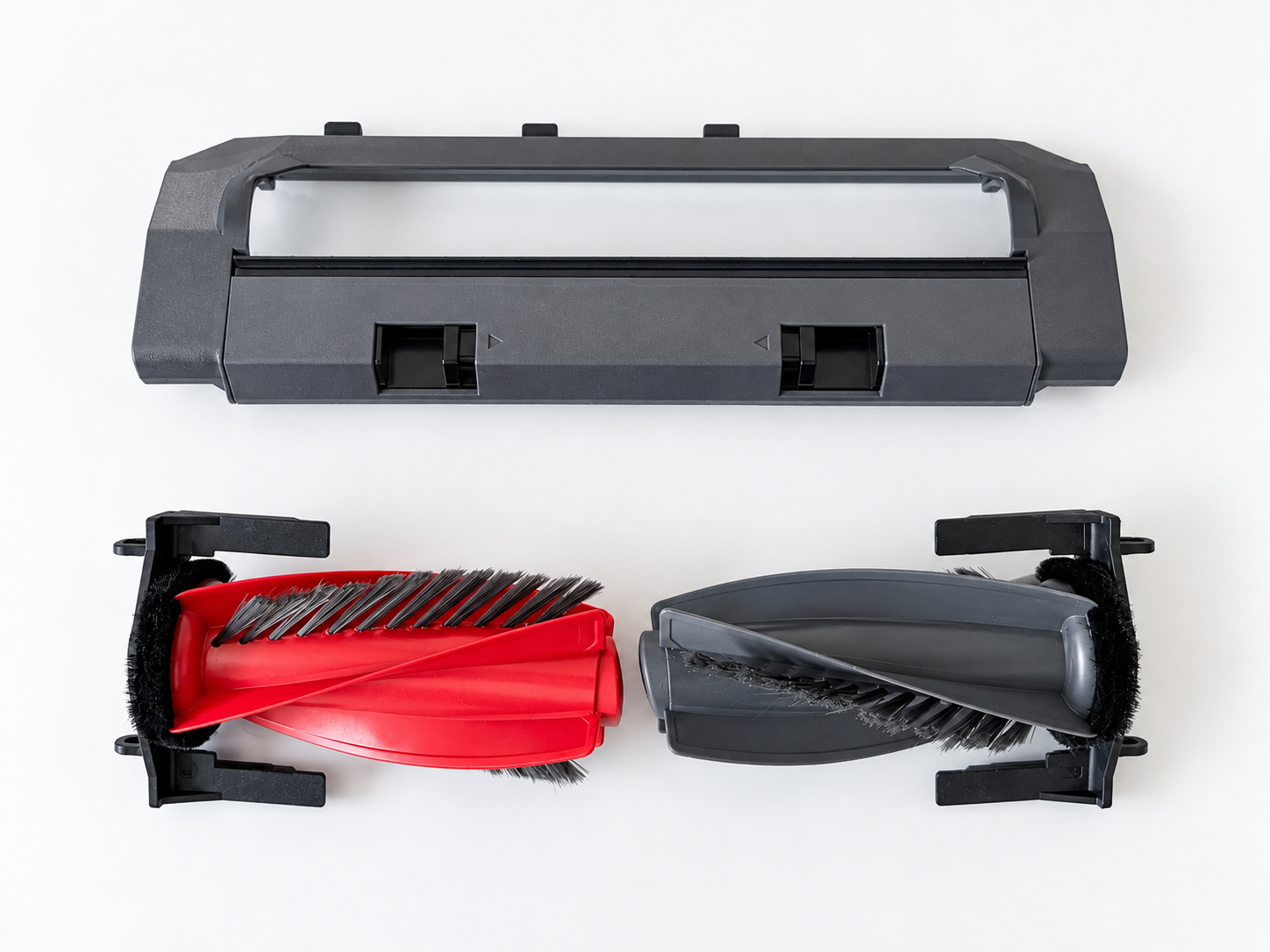
In our experience, the design does a fairly good job of reducing hair tangling, although that appears to come at the expense of vacuuming performance.
Our first vacuuming runs have been mixed, with good performance on engineered hardwood, average performance on tile and mediocre to poor performance on medium-pile carpet.
The Saros 20 Flow can also vacuum carpet before returning to mop the rest of the home.
We're holding off on broader conclusions until we've had more time to test it on thicker carpet, rugs and grout lines.
Roborock's Stain-Target AI Cleaning
Roborock's Stain-Target AI Cleaning uses the front RGB camera to identify different types of debris and adjust cleaning behavior. That includes increasing suction for dry messes or switching to mop-only mode for liquid spills.
During one of our first runs, we observed this behavior with applesauce stuck to the floor. However, it's too soon to determine how reliably the feature works.
The dock's Intelligent Dirt Detection can also trigger additional roller washing and another mopping pass when it detects heavier dirt buildup.
We haven't observed this feature in action yet. More stains and repeated testing will be needed to determine how consistently the Saros 20 Flow recognizes when another pass is necessary.
No Mop-Only Mode
Despite the Saros 20 Flow's extensive cleaning controls, one basic option is missing. The Roborock app doesn't offer a dedicated mop-only mode for full-home or individual-room cleaning.
That's particularly strange because the robot can already mop without vacuuming. Roborock's Stain-Target AI Cleaning automatically switches to mop-only cleaning when it identifies a liquid spill.
The limitation appears to be in the app rather than the hardware.
The Dock Supplies the Water, but the Robot Does the Washing
Like other modern robot vacuums, the Saros 20 Flow's RockDock empties the dustbin, refills the robot with water, dries the mop roller and automatically dispenses cleaning solution.
The dock can heat water to 212 degrees Fahrenheit and dry the roller with air heated to 145 degrees. It also refills the robot with warm water after washing.
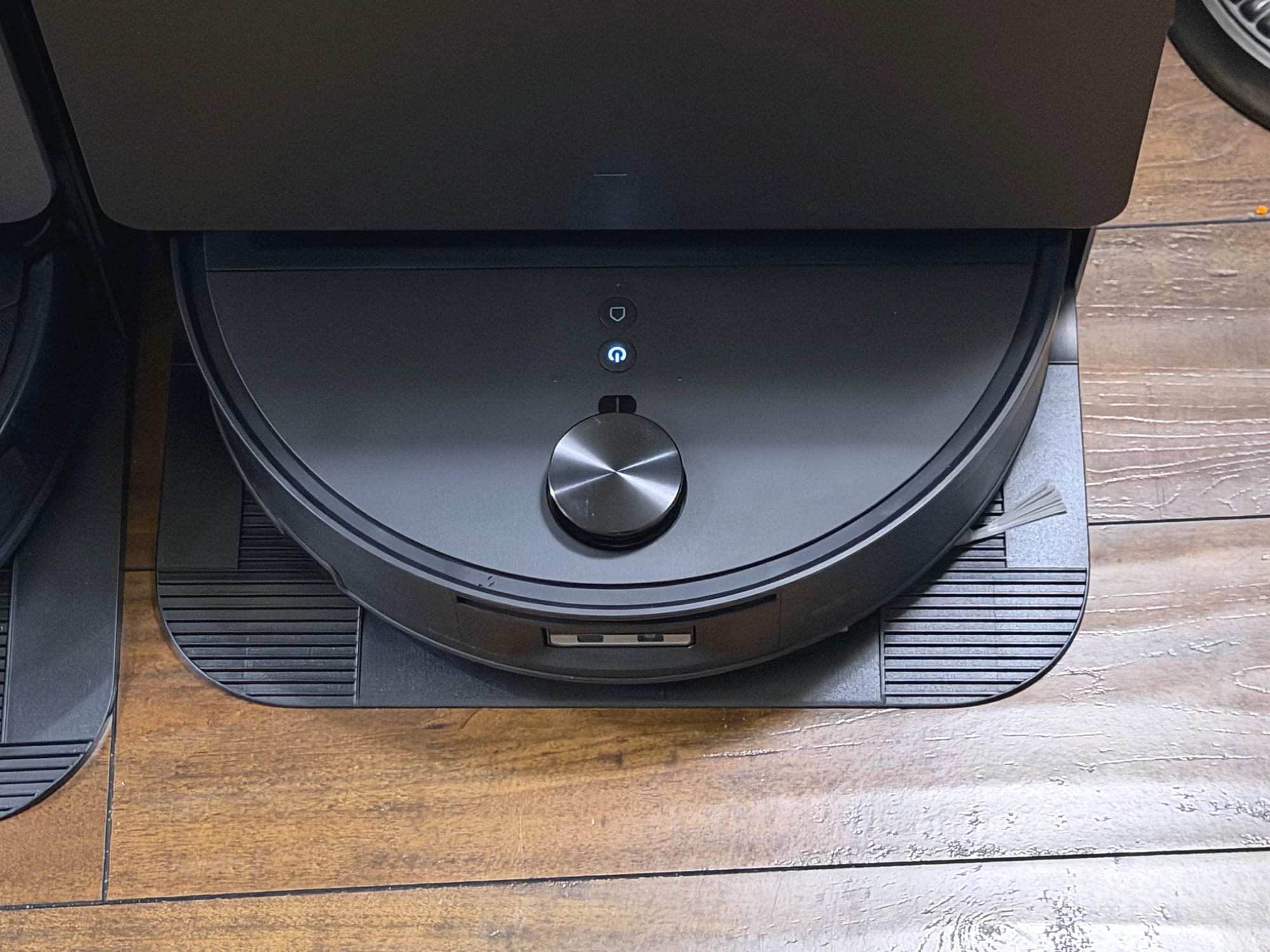
However, the robot handles the actual roller cleaning rather than the dock. The dock supplies heated water, which the robot sprays onto its mop roller before collecting the dirty water in its onboard tank.
The dock essentially serves as a place for the robot to wash its own roller. Whether this approach holds up under long-term testing remains to be seen.

Shifting the cleaning process to the robot could reduce dock maintenance, but we're skeptical that water stored in the robot's internal tank can remain hot enough to thoroughly clean a heavily soiled roller, particularly without a soaking cycle.
By comparison, the Qrevo Curv 2 Flow's dock fills a dedicated washing tray with water heated to as much as 167 degrees Fahrenheit, soaking the mop roller as the robot rotates it back and forth.
First Impressions
The Saros 20 Flow is still in the early stages of testing, but it's already shaping up to be more than a Saros flagship with a roller.
SpiraFlow 2.0, upgraded threshold-climbing hardware and expanded carpet protection are among the most significant changes.
The mop roller lifts higher than most we've tested and includes a protective cover to help keep carpets dry.
Obstacle avoidance has performed better on engineered hardwood than carpet, but vacuuming performance, carpet cleaning and threshold handling still need considerably more testing.
Those results should help determine whether bringing SpiraFlow to Roborock's flagship lineup offers meaningful advantages over the much more affordable Qrevo Curv 2 Flow.
Price and Availability
The Roborock Saros 20 Flow launched in the U.S. on Sept. 14 at an introductory price of $1,499.99, below its suggested retail price of $1,699.99.
Available only in black, the robot is sold through Roborock, Amazon and other retailers.